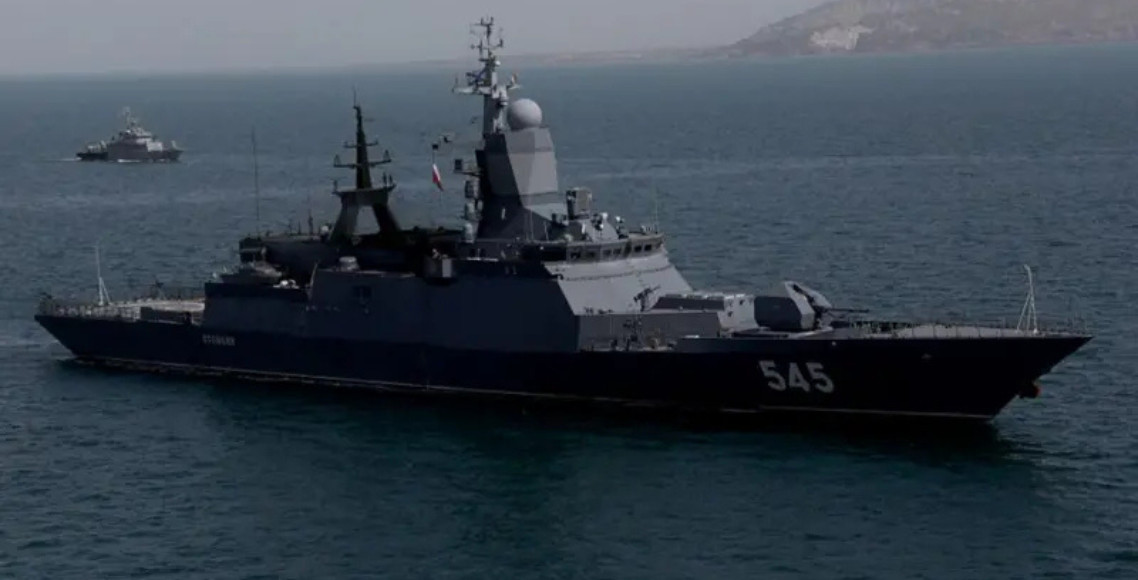
Kathmandu — The Strait of Hormuz, one of the world's most strategically important maritime trade routes, has once again become a focal point of international concern. While the prospect of a peace agreement between the United States and Iran has raised hopes of easing tensions in the Middle East, the potential presence of sea mines hidden beneath the waters continues to pose a serious threat to global trade, energy security, and maritime transportation.
Germany, France, the United Kingdom, and Italy recently issued a joint statement emphasizing the urgent need to ensure the safe operation of the Strait of Hormuz. The countries also called for an international effort to investigate and remove any suspected sea mines that may have been deployed in the area.
Although experts say there is no definitive confirmation that mines have actually been laid in the waterway, even the possibility of their presence has created concerns across global energy and shipping markets.
Why the Strait of Hormuz Matters
The Strait of Hormuz connects the Persian Gulf with the Gulf of Oman and serves as one of the world's most critical energy corridors. A significant portion of the world's crude oil exports passes through this narrow waterway before reaching international markets.
Thousands of vessels carrying oil and natural gas from Saudi Arabia, Qatar, Kuwait, Iraq, the United Arab Emirates, and Iran transit the strait every day. As a result, any disruption to its security can have immediate consequences for global markets.
Energy analysts warn that a prolonged closure or disruption of the strait could trigger sharp increases in oil prices, higher shipping costs, and renewed inflationary pressures around the world.
What Are Sea Mines?
Sea mines are explosive devices concealed underwater and designed to damage or destroy ships. Relatively inexpensive to manufacture, they can pose a serious threat to naval vessels, oil tankers, and commercial cargo ships alike.
Sea mines generally fall into three categories:
- Drifting Mines: Floating freely on or near the water's surface.
- Moored Mines: Anchored to the seabed by cables or chains while remaining suspended underwater.
- Bottom Mines: Placed directly on the ocean floor.
During World War II, most sea mines detonated only upon direct contact with a vessel. Modern mines, however, are equipped with advanced sensor systems and are far more sophisticated.
Why Modern Mines Are More Dangerous
Security experts note that today's sea mines do not necessarily require physical contact with a ship to explode. Many can detect magnetic signatures, engine noise, water pressure changes, or vibrations generated by passing vessels.
Some advanced mines can even be programmed to target specific types of ships, making them highly effective tools in modern naval warfare.
Researchers specializing in undersea warfare warn that these "smart mines" can challenge even the most powerful naval forces.
The Psychological Impact Can Be Just as Severe
Analysts argue that the fear of mines can sometimes be more disruptive than the mines themselves.
If a shipping route is believed to be mined, shipping companies, insurers, and logistics operators may hesitate to use it. This can reduce maritime traffic, increase insurance premiums, and drive up transportation costs.
For this reason, even unverified reports of mines in the Strait of Hormuz have the potential to create instability in global energy markets.
Why Mine Clearance Is So Difficult
Removing underwater mines is considered one of the most complex and dangerous maritime security operations.
The process begins with scanning the seabed to identify suspicious objects. Specialists then determine whether those objects are actual mines or harmless debris.
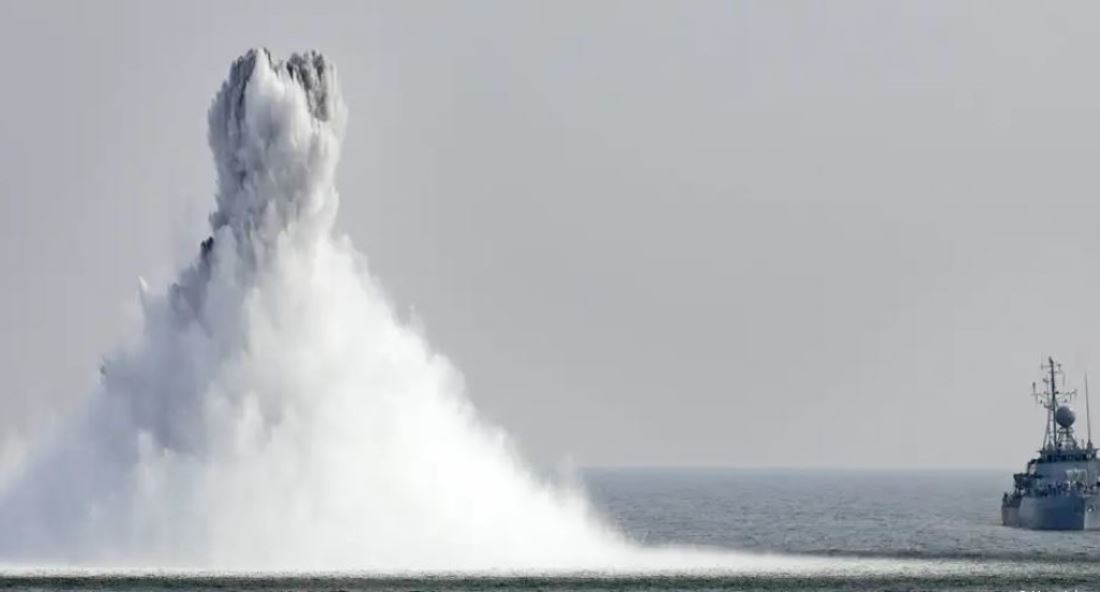
Once confirmed, the mines must be neutralized, recovered, or destroyed through controlled underwater detonations.
Security experts point out that even after conflicts end, it can take years—or even decades—to declare an area completely safe. Mines dating back to World War II are still occasionally discovered in some parts of the world.
Drones Are Transforming Maritime Security
In recent years, unmanned underwater vehicles (UUVs), commonly known as underwater drones, have become vital tools in mine detection and clearance operations.
These drones collect sonar data, images, and other information from the seabed and transmit it to analysis centers, reducing the need to place personnel in dangerous environments.
Germany and several other countries are currently developing advanced underwater drone systems, with some new models capable of operating beneath the surface for weeks at a time.
Why Hormuz Presents Unique Challenges
Experts say the Strait of Hormuz is particularly difficult for mine-clearing operations because of its strategic geography, heavy military presence, and ongoing regional tensions.
Search vessels and drones themselves could become targets, making operations more complicated and risky. As a result, analysts believe that extensive international cooperation would be essential to conduct a successful mine-clearance mission.
A Warning for the Global Economy
The latest concerns surrounding the Strait of Hormuz extend far beyond military and regional political issues. They are directly linked to global energy security, international trade, and economic stability.
If the waterway cannot operate safely and efficiently, the consequences could be felt across the global economy—from rising oil prices to increased costs for everyday consumer goods.
For this reason, the potential presence of sea mines beneath the waters of the Strait of Hormuz is increasingly being viewed as one of the most significant invisible threats facing the global economy today.
According to analysts, ensuring the security of the Strait of Hormuz is no longer solely a Middle Eastern concern—it has become a shared global challenge with far-reaching economic implications.